

The 1980 Car Price Breakdown: An In-Depth Analysis of the Automotive Industry

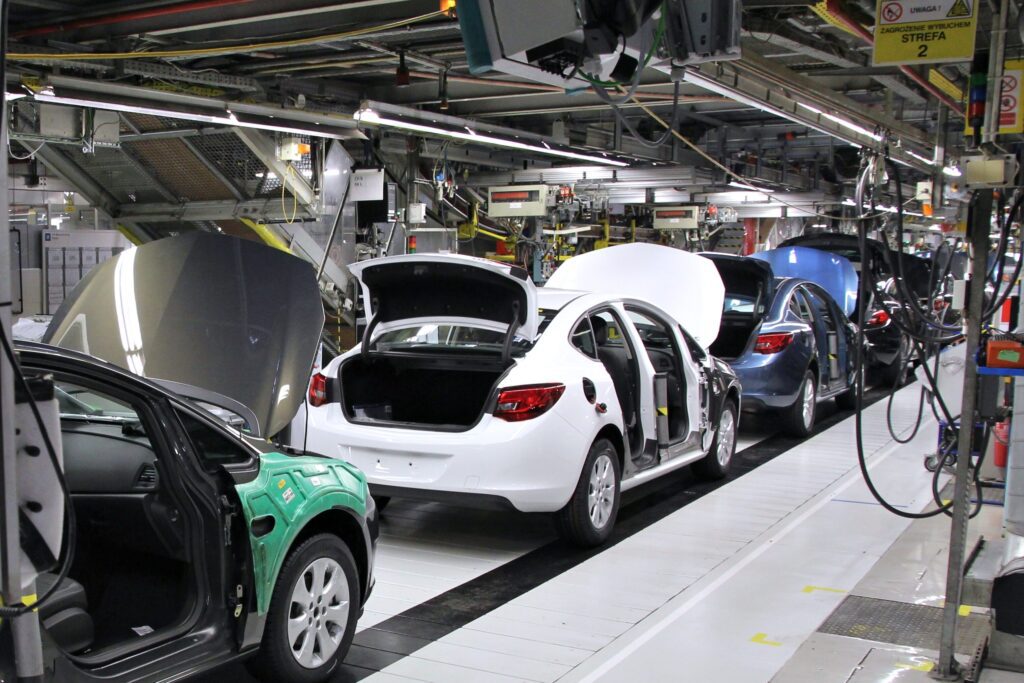
The Price Tag of Cars in 1980: A Comprehensive Analysis of the Automotive Industry
In 1980, the automotive industry was experiencing a period of transition and transformation. The average price of a new car was approximately $7,200, a figure that seems modest by today's standards but reflected the economic conditions of the time. This era was marked by the aftermath of the 1970s oil crisis, which had a profound impact on consumer preferences and manufacturer strategies.
Manufacturers were compelled to innovate and introduce more fuel-efficient vehicles, leading to a surge in popularity for compact and subcompact cars. Japanese automakers, in particular, gained a significant foothold in the U.S. market with their smaller, more efficient models. Brands like Toyota and Honda became synonymous with reliability and fuel economy, attributes highly valued by consumers of the era.
The technology within the automotive sector was also evolving. Features that are standard today, such as electronic fuel injection and front-wheel drive, began to replace older technologies like carburetors and rear-wheel drive systems. These advancements not only improved fuel efficiency but also enhanced vehicle performance and reliability.
Another factor influencing car prices in 1980 was inflation. The late 1970s saw high inflation rates, which continued into the early 1980s, affecting the cost of vehicles. Additionally, the U.S. economy was entering a recession, which would lead to increased interest rates and make financing a new car more expensive for consumers.
Despite these challenges, the automotive industry continued to push forward with technological innovations. Safety features such as airbags and anti-lock brakes were beginning to be offered, although they wouldn't become commonplace until years later. The use of computers and electronics in vehicles was in its infancy, setting the stage for the future integration of advanced infotainment systems and digital dashboards.
In summary, the price tag of cars in 1980 reflected not just the economic conditions of the time but also the beginning of a new era in automotive technology and design. The industry was at a crossroads, with traditional American automotive dominance being challenged by foreign manufacturers and a shift towards more efficient and technologically advanced vehicles.
What technological advancements in the automotive industry during the 1980s influenced car prices?
During the 1980s, the automotive industry saw significant technological advancements such as the introduction of electronic fuel injection (EFI), which replaced carburetors and improved efficiency. The adoption of computerized engine control systems allowed for better fuel economy and emissions control. Additionally, the use of aerodynamic designs reduced drag and further enhanced fuel efficiency. These innovations, along with the increased use of robotics and automation in manufacturing, contributed to a rise in production costs, which influenced car prices to some extent. However, these technologies also led to savings in fuel and maintenance, which could offset the initial higher purchase price over time.
How did the cost of manufacturing vehicles in 1980 compare to today's standards due to technological changes?
In 1980, the cost of manufacturing vehicles was significantly higher when adjusted for inflation compared to today. This is largely due to less advanced technology and lower levels of automation. Today, advancements in robotics, AI, and lean manufacturing have streamlined production processes, reducing labor costs and improving efficiency. Additionally, supply chain optimization has led to cost savings in sourcing materials. However, new expenses such as advanced electronics and emission control technologies have added to modern vehicle costs.
In what ways did the introduction of computerized systems and robotics in the 1980s affect the pricing structure of cars?
The introduction of computerized systems and robotics in the 1980s led to increased efficiency in car manufacturing. This automation allowed for mass production, which reduced labor costs and decreased the overall cost of car production. Consequently, this could lead to more competitive pricing for consumers, as manufacturers were able to offer cars at lower prices due to the savings in production costs. However, the initial investment in technology also meant that some costs could be passed on to consumers, potentially affecting pricing structures variably across different car models and manufacturers.

Unlocking Affordable Skies: Your Ultimate Guide to Finding the Cheapest Airlines and Best Fares

Iberia and Vueling: Unraveling the Connection Between Two Distinct Airline Entities

Can You Pay with Euros in Switzerland? Everything You Need to Know

What is an Airbnb in Spain? Everything You Need to Know

Can Flight Prices Drop? Analysis and Strategies for Affordable Air Travel

Understanding Spain's Toll Roads: Everything You Need to Know
Go up
Deja una respuesta