

Cutting the Cord: How IPTV and OTT Services are Redefining Television

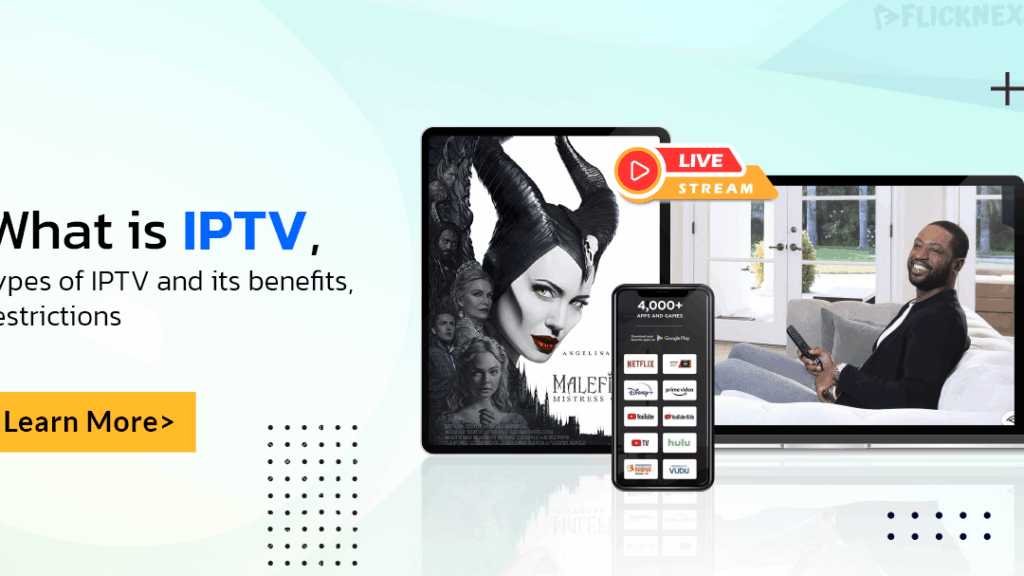
Understanding IPTV OTT Services: The Future of Digital Streaming
IPTV (Internet Protocol Television) and OTT (Over-The-Top) services represent a revolutionary shift in the way we consume digital content. These platforms have transformed traditional broadcasting by leveraging the power of the internet to deliver a more personalized, on-demand viewing experience.
IPTV is a system where television services are delivered using the Internet protocol suite over a packet-switched network such as the internet, instead of being delivered through traditional terrestrial, satellite, and cable television formats. This allows for a more customized viewing experience, with features like video on demand (VOD), live TV, and time-shifted media which is particularly appealing in today's fast-paced world.
On the other hand, OTT services refer to content that is provided via a high-speed internet connection rather than through a traditional cable or broadcast provider. OTT platforms like Netflix, Hulu, and Amazon Prime Video have become household names, offering a vast library of movies, TV shows, and original content that can be streamed directly to consumers' devices.
The future of digital streaming through IPTV and OTT services is poised for continued growth. With advancements in cloud computing, 5G technology, and AI algorithms, these services are becoming more sophisticated, offering higher quality streams, improved user interfaces, and personalized content recommendations.
Moreover, the integration of smart home technologies with IPTV and OTT services is creating a seamless entertainment ecosystem. Smart TVs, voice-controlled assistants, and mobile devices can now all interact to provide a cohesive and interactive user experience.
As consumer preferences shift towards convenience and personalization, IPTV and OTT services are well-positioned to become the dominant forms of media consumption. The ability to watch what you want, when you want, and on any device is a compelling proposition that traditional broadcast methods struggle to match.
In conclusion, the rise of IPTV and OTT services is a clear indicator of the digital transformation in the entertainment industry. As technology continues to evolve, these platforms will further redefine the landscape of digital streaming, offering viewers unprecedented access to a world of content at their fingertips.
What are the key differences between IPTV and OTT services in terms of content delivery technology?
The key differences between IPTV (Internet Protocol Television) and OTT (Over-The-Top) services in terms of content delivery technology are:
1. Delivery Network: IPTV is often provided by ISPs (Internet Service Providers) and requires a managed network to deliver content, ensuring quality of service, whereas OTT services stream content over the public internet without dedicated distribution control.
2. Content Access: IPTV typically offers live television and may require a subscription and specific hardware like a set-top box, while OTT services are accessible on various devices (smartphones, smart TVs, tablets) through apps or web browsers.
3. Quality Control: IPTV allows for greater control over content quality and bandwidth allocation due to its managed network, leading to potentially higher quality streams. OTT quality can vary more significantly with the user's internet connection and congestion levels.
4. Regulation and Licensing: IPTV is often subject to traditional broadcasting regulations and licensing due to its similarity to conventional TV, while OTT services generally have more flexibility and less regulatory oversight.
How does the user experience differ between IPTV and OTT platforms?
The user experience between IPTV (Internet Protocol Television) and OTT (Over-The-Top) platforms differs primarily in content delivery and service control. IPTV is often provided by ISPs (Internet Service Providers) and delivers live TV channels and on-demand content through a private network, ensuring consistent quality and reliability. It typically requires a subscription and a set-top box.
On the other hand, OTT platforms stream content over the public internet and can be accessed on various devices like smartphones, tablets, and smart TVs. OTT offers a more diverse range of content, including original programming, with the convenience of watching anywhere with an internet connection. However, streaming quality may vary due to network congestion. OTT services are usually subscription-based, pay-per-view, or ad-supported.
What are the technological challenges faced by IPTV and OTT service providers in ensuring high-quality streaming?
IPTV and OTT service providers face several technological challenges in ensuring high-quality streaming, including bandwidth management, dealing with network congestion, ensuring low latency, providing consistent quality of service (QoS), managing content rights and distribution, and protecting against piracy and cyber threats. They must also adapt to various device compatibilities and maintain a robust content delivery network (CDN) to handle peak demand times.

Unlocking Entertainment: Exploring Free IPTV Options for Netflix Spain

Streamlining Your Tunes: How to Pay for Spotify with Nequi

Unlocking the Full Potential of Streaming: A Deep Dive into IPTV Extreme

Unlocking Entertainment: The Rise of IPTV Services in Spain

Exploring NewPlay IPTV: The Next Generation of Streaming Services

Experience Seamless Streaming: How Joyful IPTV is Revolutionizing Home Entertainment
Go up
Deja una respuesta