

Unlocking Seamless Streaming: The Ultimate Guide to IPTV SS Technology

Understanding IPTV SS: Streamlining Your Viewing Experience
IPTV SS, or Internet Protocol Television Subscription Services, are transforming the way we consume television content. By leveraging the power of the internet, IPTV SS offers a more flexible and personalized viewing experience compared to traditional cable or satellite TV services. With IPTV SS, viewers can enjoy a vast array of channels and on-demand content without being tied to broadcast schedules.
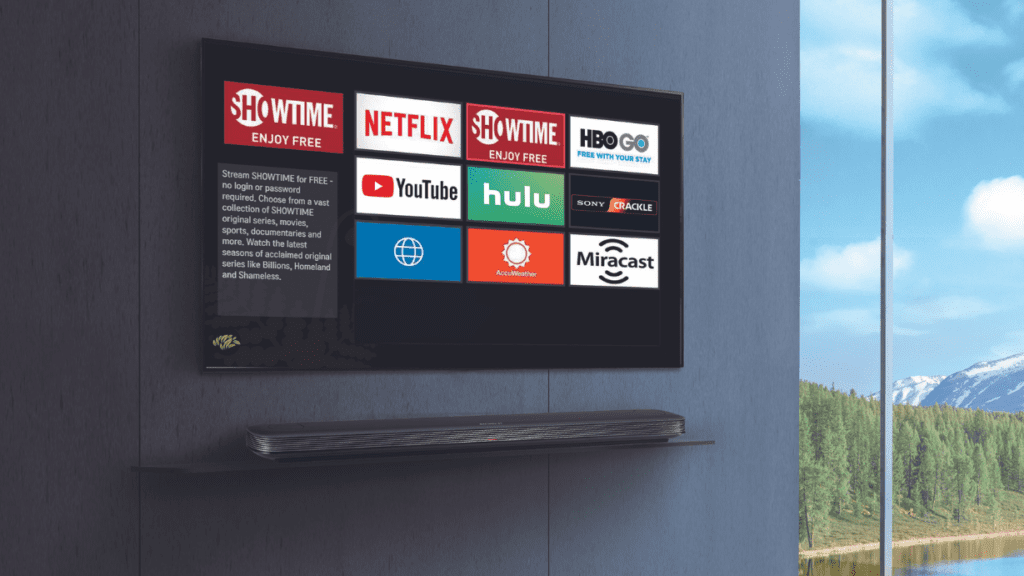
One of the key advantages of IPTV SS is its streamlined interface. Users can easily navigate through menus to find their favorite shows, movies, or live sports events. Moreover, many IPTV SS platforms offer intuitive recommendation algorithms that suggest content based on your viewing history, further enhancing the user experience.
Another significant benefit is the multi-device compatibility. IPTV SS allows you to watch your preferred content on various devices, including smart TVs, smartphones, tablets, and computers. This means you can start watching a show on your TV and seamlessly continue on your phone when you're on the move.
Additionally, IPTV SS often comes with features like pause, rewind, and record, giving viewers complete control over live broadcasts. This flexibility ensures that you never miss a moment of your favorite programs, regardless of your schedule.
For those concerned about quality, IPTV SS typically provides content in high definition (HD) and even 4K resolution, ensuring a premium viewing experience with crystal-clear picture quality.
In conclusion, IPTV SS is not just about watching TV; it's about redefining the television experience with advanced technology that caters to the modern viewer's demand for convenience, quality, and personalization.
What is IPTV SS and how does it differ from traditional television broadcasting methods?
IPTV SS, or Internet Protocol Television Subscription Services, delivers television content over the internet rather than through traditional terrestrial, satellite, or cable formats. Unlike conventional TV that broadcasts content in real-time, IPTV SS allows users to stream on-demand, providing a more personalized and flexible viewing experience. It often requires a subscription and a compatible device connected to the internet.
What are the necessary components and setup requirements for an IPTV SS system?
An IPTV (Internet Protocol Television) SS (Streaming Server) system requires several key components and setup considerations:
1. Content Source: You need access to digital video content, either live feeds or pre-recorded files.
2. Media Server: A robust server is essential for storing content and handling user requests. Popular software includes Wowza Streaming Engine and Xtream Codes.
3. Transcoder: To convert content into various formats and resolutions for different devices.
4. Content Delivery Network (CDN): For distributing the content to a wide audience with minimal latency.
5. Network Infrastructure: High-speed internet connection and proper networking equipment to handle traffic.
6. Middleware: Software that manages user interactions, billing, and service delivery.
7. Set-Top Box (STB) or App: For the end-user to access content on their TV or device.
8. Security Measures: Including encryption and DRM to protect content from piracy.
Proper configuration and integration of these components are crucial for a successful IPTV SS system.
How does IPTV SS handle content security and prevent unauthorized access to streams?
IPTV (Internet Protocol Television) Service Providers typically implement content security measures such as encryption, secure authentication, and access control to prevent unauthorized access to streams. They often use DRM (Digital Rights Management) systems to encrypt the content, ensuring that only users with the correct decryption keys can view it. Additionally, IPTV services may require secure login credentials and employ geoblocking to restrict access based on the user's location.

Seamless Parking Payments: A Step-by-Step Guide to Using EasyPark

Unlocking the Power of IPTV: How to Stream Like a Pro with Chromecast

Unlocking Endless Entertainment: Choosing the Right IPTV Subscription Service

Step-by-Step Guide: How to Redeem Your Bimba y Lola Gift Card Online

Becoming a Digital TV Tycoon: The Ultimate Guide to Becoming a Successful IPTV Reseller

Smartwatch Payment Security: Essential Precautions to Keep Your Transactions Safe
Go up
Deja una respuesta