

Unlocking the Future of Television: A Deep Dive into IPTV Development

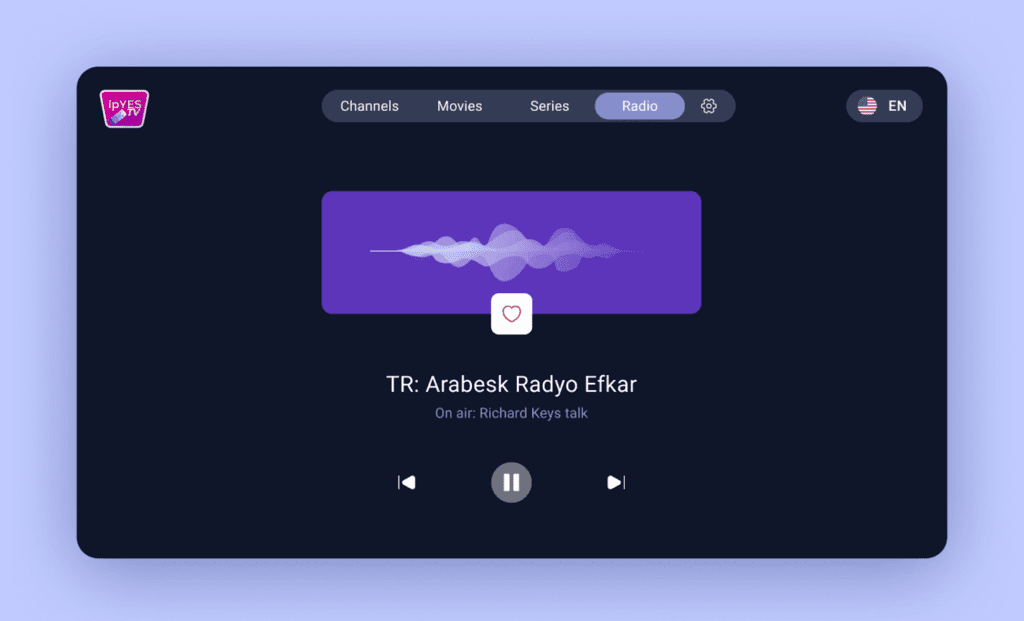
Understanding the Basics of IPTV Development
IPTV, or Internet Protocol Television, is a system where television services are delivered using the Internet protocol suite over a packet-switched network such as a LAN or the internet, instead of being delivered through traditional terrestrial, satellite signal, and cable television formats. The development of IPTV involves several key components that work together to provide a seamless viewing experience.
The first step in IPTV development is creating a robust and scalable content delivery network (CDN). A CDN is a system of distributed servers that deliver pages and other web content to a user, based on the geographic locations of the user, the origin of the webpage, and the content delivery server. This is crucial for IPTV because it ensures that content can be reliably delivered to a large number of users with minimal latency and buffering.
Next, the video content itself must be prepared for distribution. This involves encoding the video into a digital format that is suitable for transmission over the internet. The most common formats used in IPTV are MPEG2, MPEG4, H.264, and more recently, H.265. These formats compress the video so that it can be sent over the internet efficiently while maintaining high quality.
Once the video is encoded, it needs to be streamed. Streaming technology allows for the continuous transmission of audio and video files from a server to a client. In the context of IPTV, streaming enables viewers to watch live broadcasts or on-demand videos without having to download the entire file first.
An important aspect of IPTV development is ensuring that the service is compatible with various devices. This includes not only televisions but also smartphones, tablets, and computers. Developers must create applications or use existing platforms that allow these devices to access the IPTV content.
Another critical component is the user interface (UI) and user experience (UX). The UI needs to be intuitive and easy to navigate, allowing users to find and select their desired content with ease. Meanwhile, the UX should ensure that the service is reliable, with minimal downtime and high-quality stream performance.
Security is also a major concern in IPTV development. Protecting the content from piracy and ensuring that user data is secure are paramount. This often involves implementing digital rights management (DRM) systems and using secure encryption protocols to safeguard the transmission of data.
Finally, an IPTV service requires a back-end system that handles subscriber management, billing, and customer support. This system must be capable of managing potentially millions of subscribers, processing payments, and providing assistance when users encounter issues.
In summary, IPTV development encompasses a range of technologies and disciplines, including networking, video encoding, streaming, device compatibility, UI/UX design, security, and back-end management. Each of these areas plays a vital role in delivering high-quality television content over the internet.
What are the key components and technologies involved in IPTV system development?
The key components and technologies involved in IPTV system development include:
- Content Delivery Network (CDN): A distributed network of servers that delivers content efficiently to users.
- Video Servers: Store and stream video content.
- Transcoders: Convert video files into various formats and resolutions for different devices.
- Middleware: Manages user interaction, content delivery, and service management.
- Set-Top Boxes (STBs) or Apps: Devices or applications that decode and display content on TVs or other display devices.
- Encryption and DRM: Protect content from unauthorized access and copying.
- Streaming Protocols: Such as RTSP, HLS, and MPEG-DASH, which enable the delivery of video content over the internet.
- User Interface (UI): The visual component that allows user navigation and content selection.
- EPG (Electronic Program Guide): Provides users with a schedule of available content.
- Network Infrastructure: Includes routers, switches, and bandwidth to support data transmission.
How does IPTV content delivery differ from traditional broadcasting methods?
IPTV (Internet Protocol Television) delivers television content over the internet, allowing for on-demand access and interactive features. Traditional broadcasting methods, such as cable or satellite, transmit signals directly through a fixed infrastructure, offering content in a linear, scheduled format. IPTV provides a more personalized viewing experience with the flexibility to watch content not bound by a specific broadcast schedule.
What are the challenges and considerations when developing an IPTV platform for scalability and reliability?
Developing an IPTV platform for scalability and reliability involves several challenges and considerations. Key among them is ensuring a robust infrastructure that can handle high traffic and data loads, which requires investment in powerful servers and efficient content delivery networks (CDNs). Additionally, developers must implement adaptive bitrate streaming to provide a smooth viewing experience across various devices and internet speeds.
Another consideration is the content management system (CMS), which should be flexible enough to support a growing library of content and user base. It's also crucial to have a redundant system architecture to maintain service during failures or maintenance periods.
Security is paramount, so implementing strong encryption and access control measures to protect content from piracy and unauthorized access is necessary. Lastly, developers need to ensure compliance with various regulations and standards across different regions, which can affect both the content offered and the technical specifications of the platform.

Unlocking Spanish Entertainment: A Comprehensive Guide to IPTV Lists in Spain

Unlocking the Potential of IPTV: How to Use an IPTV Checker for Optimal Streaming Experience

Unlocking a World of Entertainment: How GitHub is Powering IPTV with Over 8000 Channels

Unlocking the Potential of Net IPTV: The Future of Streaming Technology

Troubleshooting Guide: How to Fix the 'Failed to Authorize' Error in IPTV Smarters

Unlocking Free Entertainment: A Guide to Free IPTV Servers
Go up
Deja una respuesta