

Beware of Bizum Fraud: Top Common Scams and Effective Strategies for Recovering Your Money

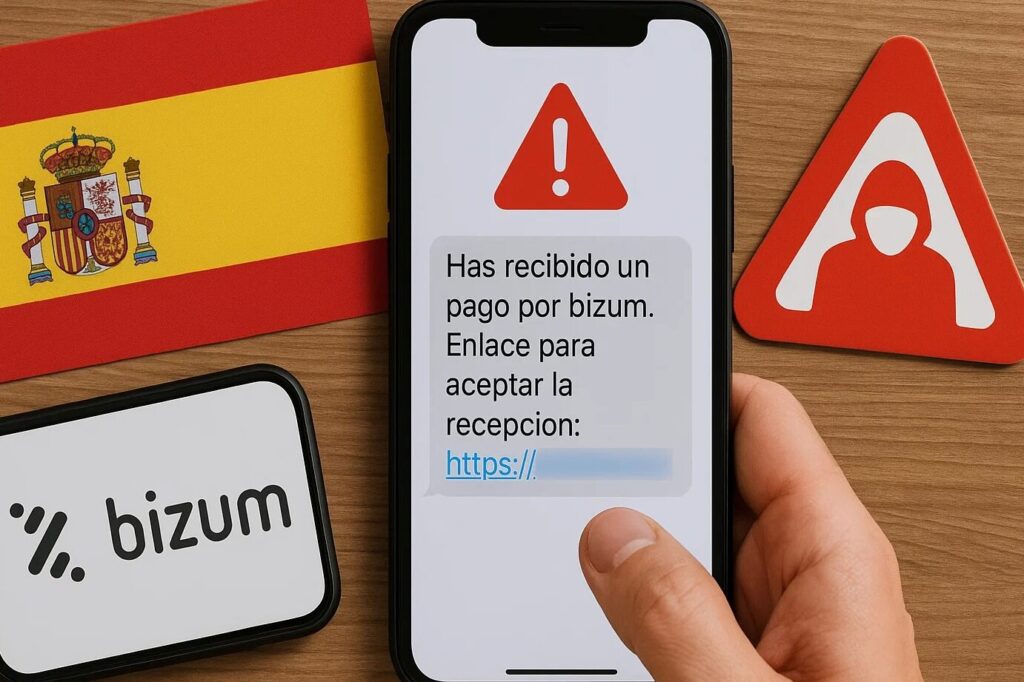
Recognizing Common Bizum Scams and Effective Recovery Strategies
Bizum has become a popular peer-to-peer payment system in Spain, offering users the convenience of sending money instantly using their mobile phones. However, with its rise in popularity, scammers have also found ways to exploit the platform, leading to an increase in fraudulent activities. Understanding these scams and knowing how to effectively recover funds is crucial for users.
One common scam involves phishing attempts, where scammers send messages pretending to be from Bizum or a trusted institution. They aim to trick users into providing sensitive information such as login credentials or personal data. Another prevalent scam is the fake sale scam, where a scammer poses as a buyer on online marketplaces, sends a fake Bizum payment confirmation, and receives the item without actually paying.
To combat these scams, it's essential to recognize the signs and take immediate action. If you suspect you've fallen victim to a scam, the first step is to contact your bank immediately. Banks associated with Bizum may have protocols in place to attempt to recover the funds. Additionally, reporting the incident to the police and providing all relevant information can aid in the investigation and increase the chances of recovery.
Implementing preventative measures is also key. Always verify the identity of the person you're transacting with and never share your personal details or respond to unsolicited requests for information. Regularly updating passwords and enabling two-factor authentication can provide an extra layer of security.
In the event that recovery through the bank or legal channels is unsuccessful, some users may turn to professional recovery services. These services claim to assist in retrieving lost funds, but caution is advised as they can be costly and are not always successful.
Ultimately, staying informed about the latest scam tactics and maintaining vigilant security practices when using Bizum can help minimize the risk of falling prey to these fraudulent schemes.
What are the most common Bizum scams to be aware of in online transactions?
The most common Bizum scams to be aware of in online transactions include phishing attempts, where scammers impersonate Bizum or a trusted entity to steal login credentials; fake sale scams, where a seller requests payment via Bizum for goods that are never delivered; and overpayment scams, where a buyer sends excess money through Bizum and asks for the difference to be returned, only for the initial transaction to be canceled or fraudulent. Always verify the identity of the person you're transacting with and never share your Bizum codes or personal information.
How can victims of Bizum scams attempt to recover their lost money through technological means?
Victims of Bizum scams can attempt to recover their lost money by immediately contacting their bank to report the fraud and see if the transaction can be reversed. They should also report the scam to Bizum and local authorities. Utilizing anti-fraud technology and services that monitor for unauthorized transactions may help in preventing future incidents.
What steps should be taken immediately after realizing you have fallen for a Bizum scam to increase the chances of recovering your funds?
If you realize you have fallen for a Bizum scam, immediately take the following steps:
1. Contact your bank to report the fraud and request a transaction reversal if possible.
2. Report the scam to Bizum's customer service for further assistance.
3. Change your Bizum and associated bank account passwords to prevent further unauthorized access.
4. Monitor your bank statements closely for any unusual activity.
5. File a report with the local police or relevant authorities as evidence may help in recovering funds.
6. Consider reaching out to consumer protection organizations for additional support.

5 Steps to Detect a Virus on Your PC Without Antivirus Software

Top 10 Cutting-Edge Alternatives to IPTV Smarters Pro in 2026: Streamlining Your Viewing Experience

Projecting the Future: What to Expect from the VA Disability Pay Scale in 2026

Stream Like a Pro: The Ultimate Guide to Watching IPTV Playlists with VLC Media Player on Your PC

Securing Your Inbox: A Step-by-Step Guide to Detecting Email Leaks on the Dark Web

Effortless Editing: Mastering One-Click AI Background Removal from Images
Go up
Deja una respuesta