

Scanning for Convenience: Understanding How QR Code Payments Transform the Retail Experience

Understanding the Mechanics of QR Code Payments in Retail Environments
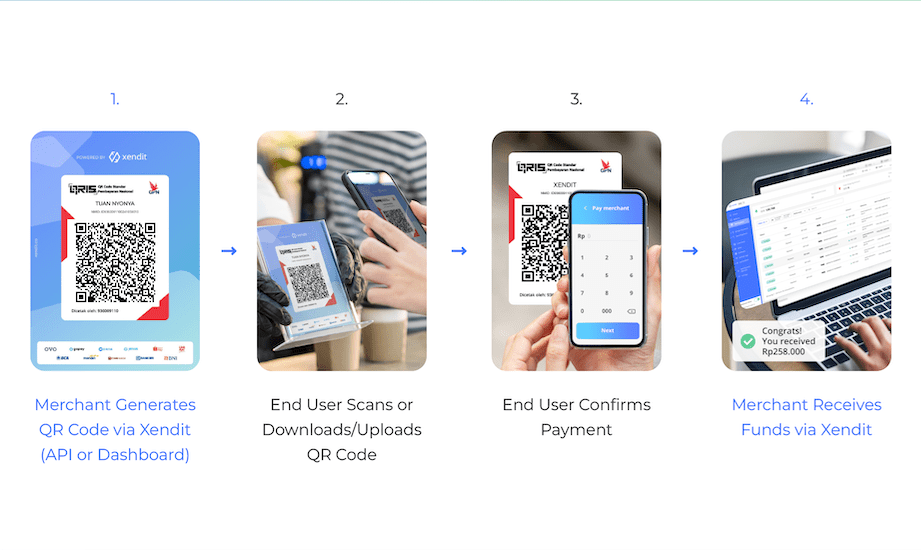
QR code payments have revolutionized the retail experience by offering a contactless, secure, and efficient method of transaction. When a customer is ready to make a purchase, they typically use their smartphone to scan a QR code displayed at the point of sale. This code is a unique identifier that links to the store's payment system.
Upon scanning the QR code with their smartphone camera or a dedicated QR code reader app, the customer's mobile device will prompt them to confirm the payment through their pre-installed banking or payment app. This app is often linked to a debit card, credit card, or digital wallet, which stores the user's payment information securely.
The payment app processes the transaction by communicating with the retailer's payment gateway using encrypted data transmission. This ensures that sensitive financial information is protected throughout the process. The gateway verifies the transaction details, such as the payment amount and the merchant's account information, and then initiates the transfer of funds from the customer's account to the retailer's account.
Once the payment is authorized, both the customer and the retailer receive a confirmation, usually in the form of a digital receipt. This process not only streamlines the checkout experience but also reduces the need for physical contact, which has become increasingly important in the context of health and safety concerns.
Retailers benefit from QR code payments by reducing the dependency on traditional point-of-sale hardware, like cash registers and credit card terminals, which can be costly to maintain and operate. Additionally, QR codes can be easily integrated into various promotional and loyalty programs, enhancing customer engagement and retention.
In summary, QR code payments in retail stores offer a modern, user-friendly, and cost-effective solution that aligns with the growing trend towards digitalization in the retail sector.
What is the technology behind QR code payments in retail stores, and how does it facilitate transactions?
The technology behind QR code payments in retail stores is based on optical label recognition, where a customer's smartphone scans a QR (Quick Response) code displayed by the retailer. This scan links to a payment application that processes the transaction. It facilitates transactions by providing a contactless, secure, and fast method for transferring payment information without the need for physical cards or cash.
How do consumers use their smartphones to make payments with QR codes at retail checkout points?
Consumers use their smartphones to make payments with QR codes at retail checkout points by opening a payment app that supports QR code transactions. They then scan the QR code displayed at the checkout, which contains the payment information, and confirm the amount to be paid. Upon confirmation, the transaction is processed, and the payment is made electronically from their linked account or digital wallet to the retailer.
What are the security measures implemented in QR code payment systems to protect both retailers and customers during transactions?
QR code payment systems implement several security measures to protect transactions, including end-to-end encryption to safeguard data during transmission, tokenization to replace sensitive information with a unique identifier, and two-factor authentication (2FA) for additional user verification. Retailers often have secure QR code generation protocols to prevent tampering, and customers are advised to use official apps from trusted sources to minimize the risk of scanning malicious codes.

5 Steps to Detect a Virus on Your PC Without Antivirus Software

Top 10 Cutting-Edge Alternatives to IPTV Smarters Pro in 2026: Streamlining Your Viewing Experience

Projecting the Future: What to Expect from the VA Disability Pay Scale in 2026

Stream Like a Pro: The Ultimate Guide to Watching IPTV Playlists with VLC Media Player on Your PC

Securing Your Inbox: A Step-by-Step Guide to Detecting Email Leaks on the Dark Web

Effortless Editing: Mastering One-Click AI Background Removal from Images
Go up
Deja una respuesta