

Can a Car Have Two Insurance Policies? Everything You Need to Know

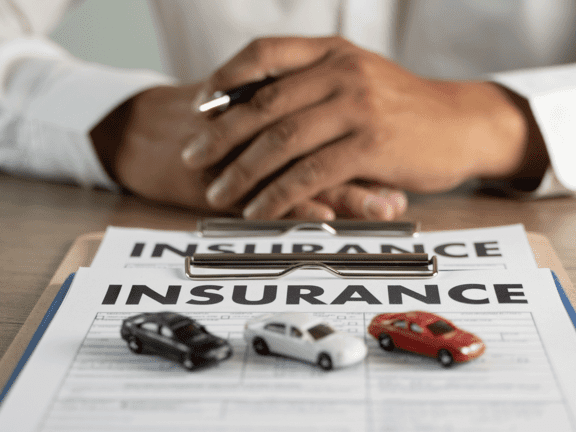
Dual Car Insurance Policies: Understanding the Possibilities and Legalities
When discussing the concept of dual car insurance policies, it's essential to understand the intricacies involved, especially considering the legal and practical implications. In some cases, individuals might consider holding two separate insurance policies on a single vehicle. This could be due to a variety of reasons, such as wanting to increase coverage or as a result of misunderstanding the terms of their existing policy.
The first thing to note is that while it is technically possible to have more than one insurance policy on a single vehicle, it is often discouraged by insurance providers. The reason for this is largely due to the complications that can arise in the event of a claim. Insurance companies typically have subrogation rights, which allow them to recover funds from another insurer if they pay out for a loss that another party is liable for. If two policies are in effect, this process can become significantly more complex.
Moreover, holding dual policies may not necessarily equate to receiving double the payout in case of an accident. Most insurance policies contain a "contribution clause", which dictates that in the event of overlapping coverage, insurers will only pay their share of a claim. This means that if both policies cover the same risk, they would each contribute proportionally to the settlement of the claim, rather than paying out the full amount individually.
From a legal standpoint, while having two policies isn't inherently illegal, it can raise suspicions of fraudulent activity. For instance, if an individual attempts to claim the full amount from both insurers independently, this would be considered insurance fraud, which is a serious offense.
In the realm of technology, advancements in data sharing and analytics among insurance companies are making it easier to detect dual coverage and prevent fraudulent claims. Insurers are increasingly using sophisticated algorithms to analyze claims data and identify patterns that might suggest fraudulent behavior.
Furthermore, the integration of telematics in vehicles allows for more accurate risk assessment and policy pricing, potentially reducing the perceived need for multiple policies. Telematics technology can monitor driving behavior and vehicle usage, providing insurers with real-time data to tailor coverage more precisely to the individual's needs.
In conclusion, while dual car insurance policies are possible, they come with a set of challenges that must be carefully considered. Policyholders should thoroughly understand their coverage needs and communicate with their insurers to ensure that they have the appropriate level of protection without resorting to redundant or legally questionable practices. Technology continues to play a pivotal role in shaping the insurance landscape, offering innovative solutions to traditional problems and helping to streamline the complexities associated with car insurance.
Can a car be insured by two different insurance policies simultaneously, and how does technology facilitate this?
Yes, a car can be insured by two different insurance policies simultaneously; this is known as dual insurance. Technology facilitates this through digital databases and communication networks that allow insurers to share information and manage policy details efficiently. Additionally, insurance technology (InsurTech) solutions enable seamless policy management and claims processing, even with multiple policies in place.
What technological systems are in place to prevent insurance fraud related to dual insuring of vehicles?
Insurance companies utilize various technological systems to prevent dual insuring of vehicles, which is a form of insurance fraud. They employ advanced databases that can cross-reference and verify vehicle information across different insurers. These databases flag multiple policies covering the same vehicle. Additionally, data analytics and machine learning algorithms are used to detect patterns indicative of fraudulent activity. Insurers also participate in information-sharing networks like the National Insurance Crime Bureau (NICB) in the United States, which helps them identify and prevent fraud.
How do modern telematics devices interact with multiple car insurance providers when a vehicle is doubly insured?
Modern telematics devices interact with multiple car insurance providers by transmitting driving data to a centralized platform where both insurers can access the information. Each insurer typically has an agreement with the telematics service provider, allowing them to retrieve and use the data to assess risk, adjust premiums, or provide services like roadside assistance. Data privacy is maintained according to regulations, ensuring that only authorized parties have access to the relevant information. This system enables insurers to offer usage-based insurance (UBI) policies that can benefit safe drivers with lower premiums, regardless of dual insurance coverage.

Securing Your Online Presence: A Step-by-Step Guide to Properly Setting Up Two-Factor Authentication (2FA)

5 Steps to Detect a Virus on Your PC Without Antivirus Software

Top 10 Cutting-Edge Alternatives to IPTV Smarters Pro in 2026: Streamlining Your Viewing Experience

Projecting the Future: What to Expect from the VA Disability Pay Scale in 2026

Stream Like a Pro: The Ultimate Guide to Watching IPTV Playlists with VLC Media Player on Your PC

Securing Your Inbox: A Step-by-Step Guide to Detecting Email Leaks on the Dark Web
Go up
Deja una respuesta